
Holiday & Weekend Flood Response in Lancaster
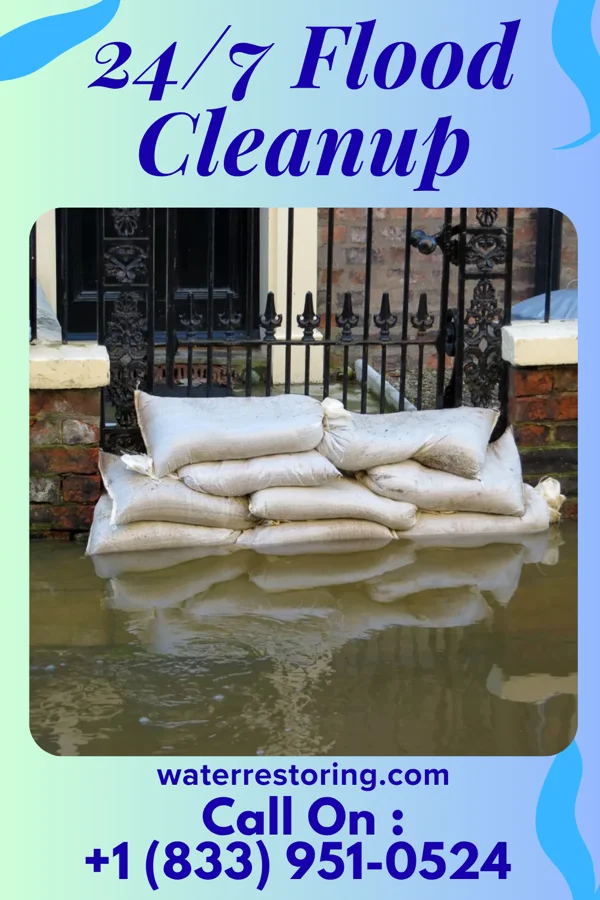
Most water damage emergencies in Lancaster start with spring snowmelt and heavy rainfall overwhelming aging infrastructure. A close second is ice jam flooding and nor'easter storm damage. From the second water touches the property, every minute changes what gets saved and what gets ripped out.
Lancaster's humid continental climate brings heavy spring rains and winter snowmelt, which combine with the Susquehanna River's proximity to increase flood risk. The region's flat terrain and aging drainage systems exacerbate water accumulation during storm events.
Lancaster's humid continental climate brings heavy spring rains and winter snowmelt, which combine with the Susquehanna River's proximity to increase flood risk. The region's flat terrain and aging drainage systems exacerbate water accumulation during storm events. The dominant local driver is spring snowmelt and heavy rainfall overwhelming aging infrastructure, with ice jam flooding and nor'easter storm damage showing up as the next most common cause. Damage builds in stages. Spread. Absorption. Microbial growth. Structural compromise. Every stage you pass through adds to the final bill.